Field Report · Yunnan · August 2026
Baoshan, Yunnan: 185 Hot Springs, Two Airports, and a 90-Minute Train From Dali
The hot spring city next to Dali that most Western itineraries skip, and what it actually costs.
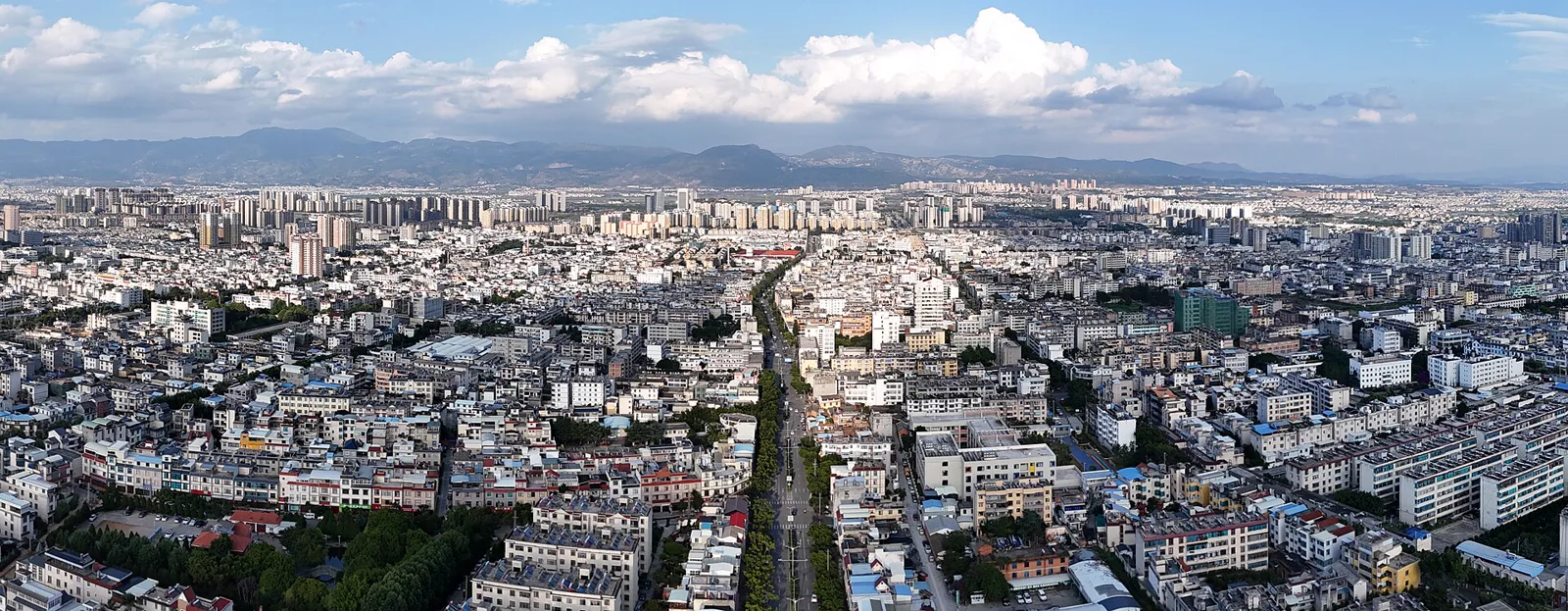
Quick facts · City
- Hot springs in the prefecture
- 185
- Airports
- 2 — Baoshan Yunrui and Tengchong Tuofeng
- Train from Dali
- about 1.5 hours (1h30m–1h50m)
- Tier-3A hospitals
- 2
- Daily budget
- ¥180–360 (about $25–50), from prices checked in person
[verify] = a number checked as of a visit, or still unconfirmed. Every number on this site carries a verification status.
The hot spring city next to Dali that most Western itineraries skip, and what it actually costs.
Every Yunnan itinerary hits the same three names: Kunming, Dali, Lijiang. An hour and a half by train from Dali sits a city most of those itineraries skip, even though it has two airports, a concentration of hot springs that earned the whole prefecture the nickname "World Hot Spring Museum," and a valley nearby where January afternoons sit around 26°C.
Go if you've done the Dali–Lijiang circuit and want a week at half the pace. This is Baoshan prefecture in western Yunnan — not the Baoshan District in Shanghai — roughly 2.5 million people, almost no Western profile. One commenter under a Chinese travel video described it better than any brochure: his allergy symptoms eased noticeably shortly after arrival.
The numbers that made me stop scrolling
Chinese travel creator Baozi Tancheng (包子探城, literally "Baozi Explores Cities") posted a Baoshan episode on Douyin in December 2025: 412,000 likes, 184,000 saves, 17,000 comments (https://www.douyin.com/video/7578827959377595699). That made it the channel's second-most-liked episode ever, a hair behind Nanjing. Baoshan's own tourism bureau even showed up in the comments to say thanks.
The spec sheet they pulled together:
| What | Figure |
|---|---|
| Hot springs in the prefecture | 185 |
| Airports | 2 (Baoshan Yunrui, Tengchong Tuofeng) |
| Train to Dali | about 1.5 hours (1h30m–1h50m) |
| Tier-3A hospitals (China's top-tier general hospital rating) | 2 |
| Large supermarkets | 5 |
| Lujiangba valley elevation | 680 m |
| Lujiangba winter daytime | about 26°C |
| Lujiangba winter low | no colder than 10°C |
The "World Hot Spring Museum" label is real enough that the city uses it in official press materials. Different agencies count differently: the video says 185, Yunnan tourism press has written 240-plus naturally flowing springs, and a September 2025 government briefing claimed over 300 hot-water vents. Sulfur, carbonic, selenium, radon: nearly every category shows up. The figure that matters is the ratio: this is a region built around soaking, not a city that happens to have a bathhouse.
Where the hot springs actually are
Baoshan prefecture is bigger than the city: it covers the urban area, the Lujiangba valley, and Tengchong, a county-level city about an hour's drive west. The famous scenery is Tengchong's; the everyday soak culture belongs to the city; the valley is the climate escape in between.
The valley doing the heavy lifting is Lujiangba (潞江坝, Lùjiāngbà), wedged between Baoshan and Dehong. Dry subtropical valley at 680 meters, Gaoligong Mountains on one side, Salween River on the other. Winter days run about 26°C and nights stay above 10°C, which is why the Chinese slow-living crowd calls it a winter escape (避寒). The same climate makes it a serious coffee region: the valley claims to be China's number-one coffee township, and riding through, it's easy to believe. It's also a fruit region with a long season, market stalls changing contents by the month. Pack mosquito repellent for the valley evenings.
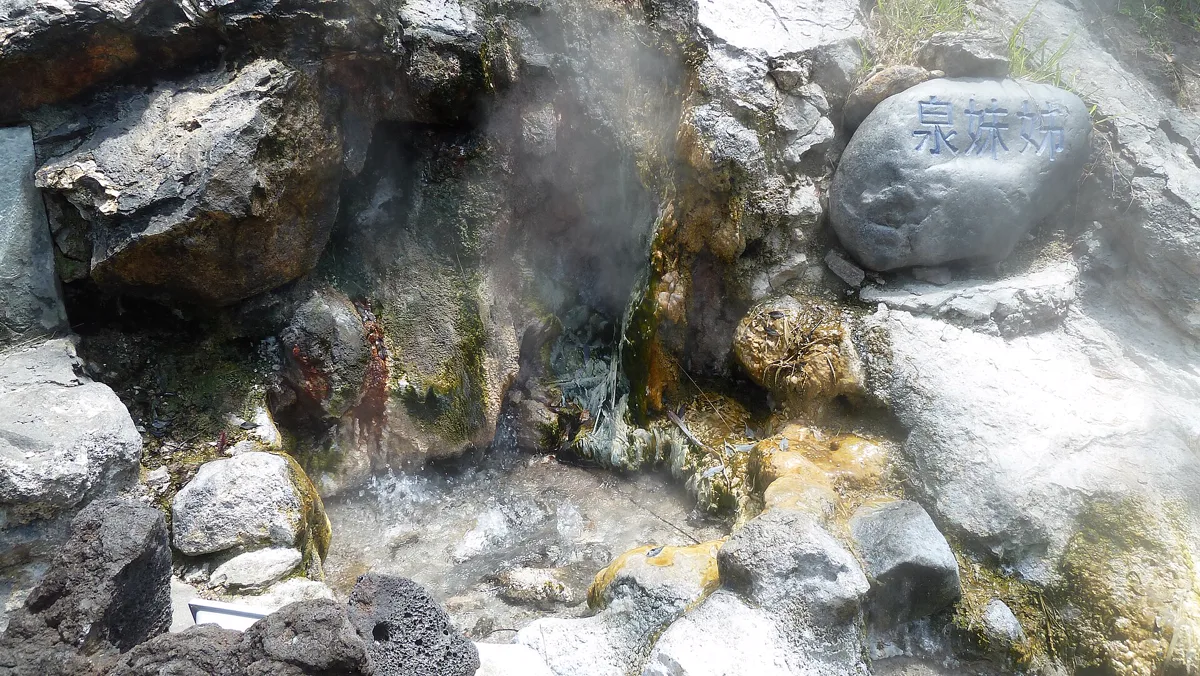
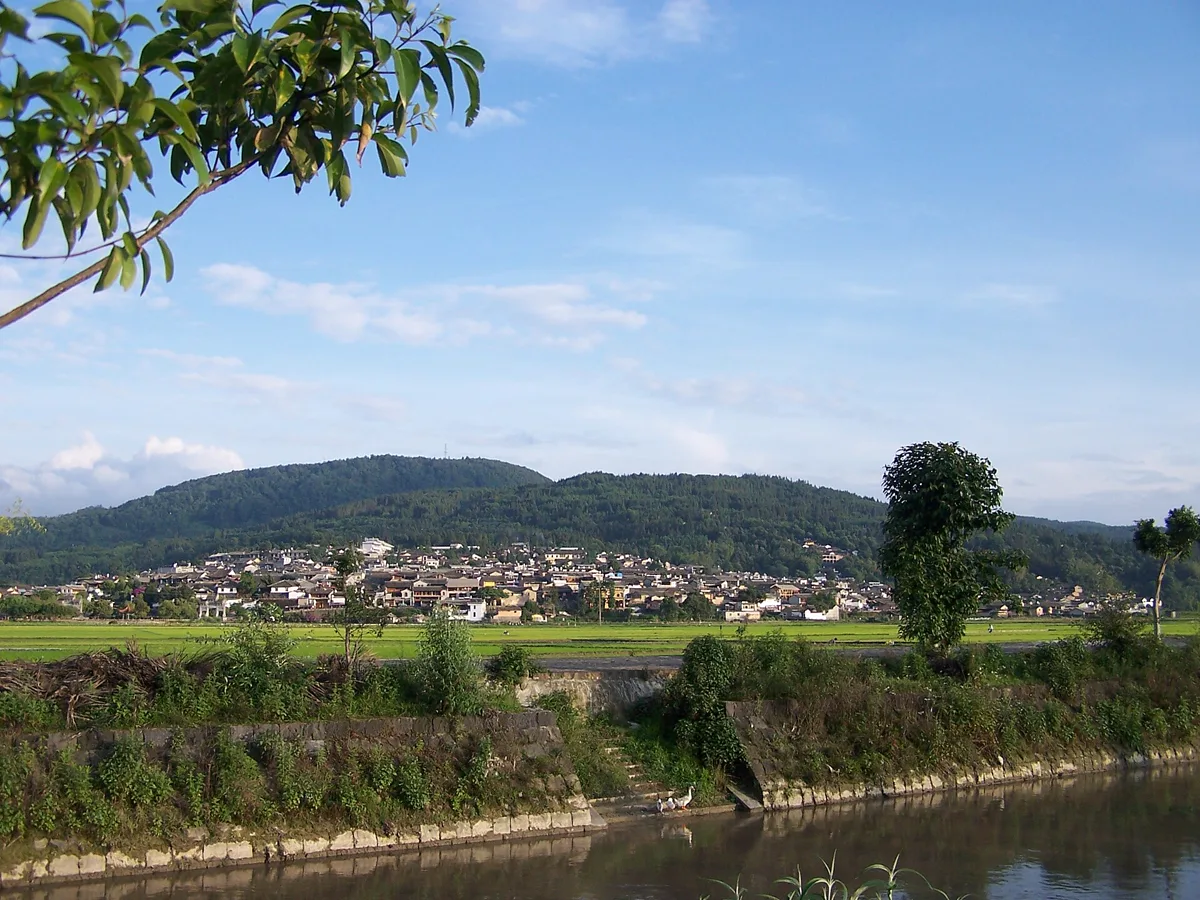
There's a saying in Yunnan tourism circles: for hot springs, look to Yunnan; in Yunnan, look to Baoshan. The showpiece ones sit in Tengchong, part of the same prefecture, an hour west: the Rehai geothermal area, 80-plus vents and pools that hit 90°C, plus the old town of Heshun and the ginkgo village. The pools genuinely reach 90°C, so stay on the marked paths. Baoshan city has the numbers and the everyday soak culture; Tengchong has the scenery. The commenters bounce between the two, which is exactly the point.
One culture note for first-timers: Chinese bathhouses are full nudity and gender-separated, not the swimsuit style of a Japanese onsen. Nobody stares; that's just how it works. In the city the springs are ordinary life: old men with tea outside the bathhouse, the market doing its morning business next door.
Our attempt at an honest version of the "is it foreigner-friendly?" question. Five means zero friction; one means bring a phrasebook and patience. Scores reflect what we've verified so far; anything still open is flagged in the note at the end of this page.
— The full file continues with the scorecard, the budget tables and photo credits. Read the full Baoshan, Yunnan guide with all the tables →
Image credits
- Cover — Baoshan city, from the air — the skyline over the highland bowl. Ruili River's Water · CC BY-SA 4.0 · https://commons.wikimedia.org/wiki/File:%E4%BF%9D%E5%B1%B1%E5%B8%82%E5%A4%A9%E9%99%85%E7%BA%BF_-_%E8%88%AA%E6%8B%8D_-_%E5%85%A8%E6%99%AF_-_2024-06-02_02.jpg
- Photo — Baoshan railway station — the 90-minute train from Dali lands here. Gao Wenhai · CC BY-SA 4.0 · https://commons.wikimedia.org/wiki/File:Baoshan_Station_20230102_09.jpg
- Photo — Rehai geothermal area, Tengchong — 80-plus vents and pools in the same prefecture. STW932 · CC BY-SA 4.0 · https://commons.wikimedia.org/wiki/File:Rehai_25.jpg
- Photo — Heshun old town, an hour west of Baoshan city. oldhouse.yin · CC BY-SA 3.0 · https://commons.wikimedia.org/wiki/File:Heshun_Old_Town_-_panoramio.jpg
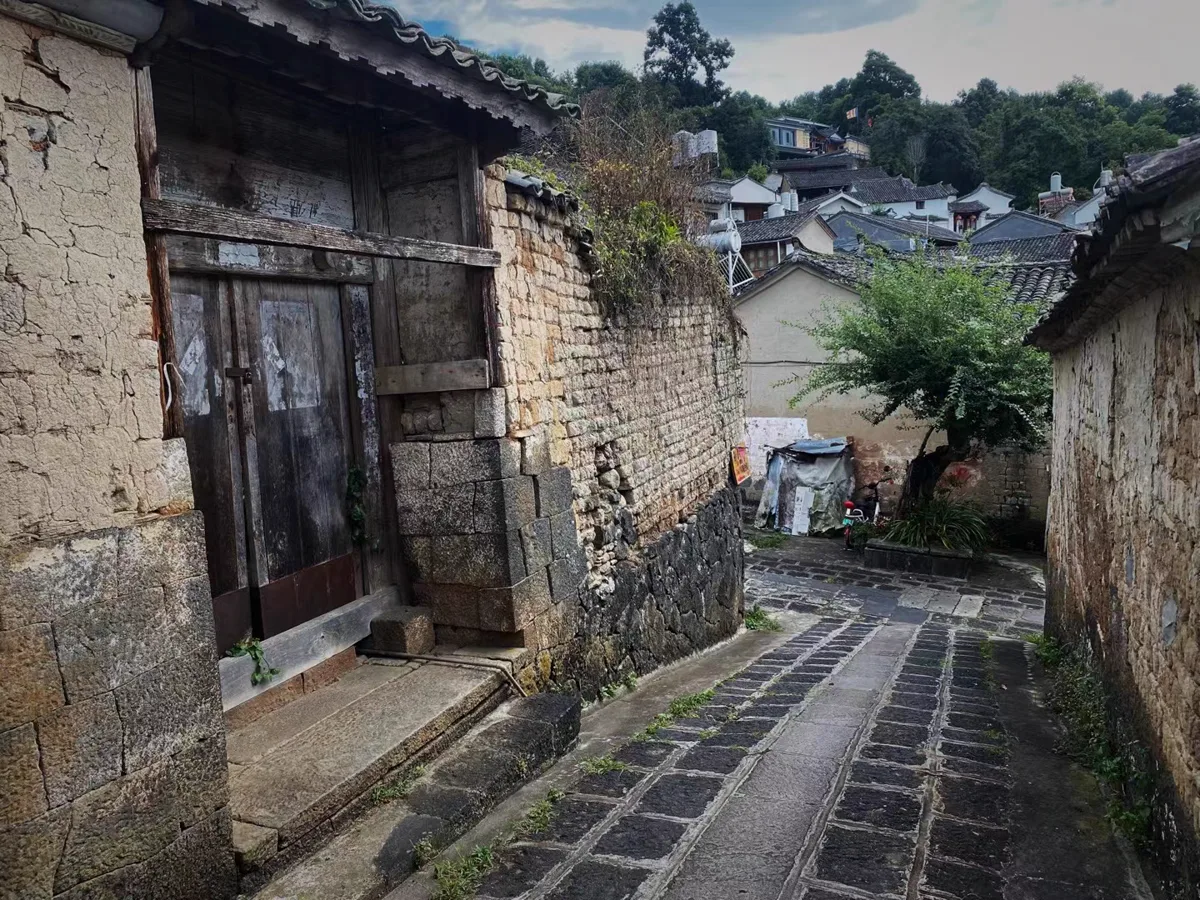
- Photo — Slate street and earth-brick houses in Heshun. Huangdan2060 · CC BY 3.0 · https://commons.wikimedia.org/wiki/File:Slate_street_and_earth-brick_houses_in_Heshun,_Baoshan,_Yunnan,_China.jpg
All photographs are used under the Creative Commons licenses linked above, via Wikimedia Commons.